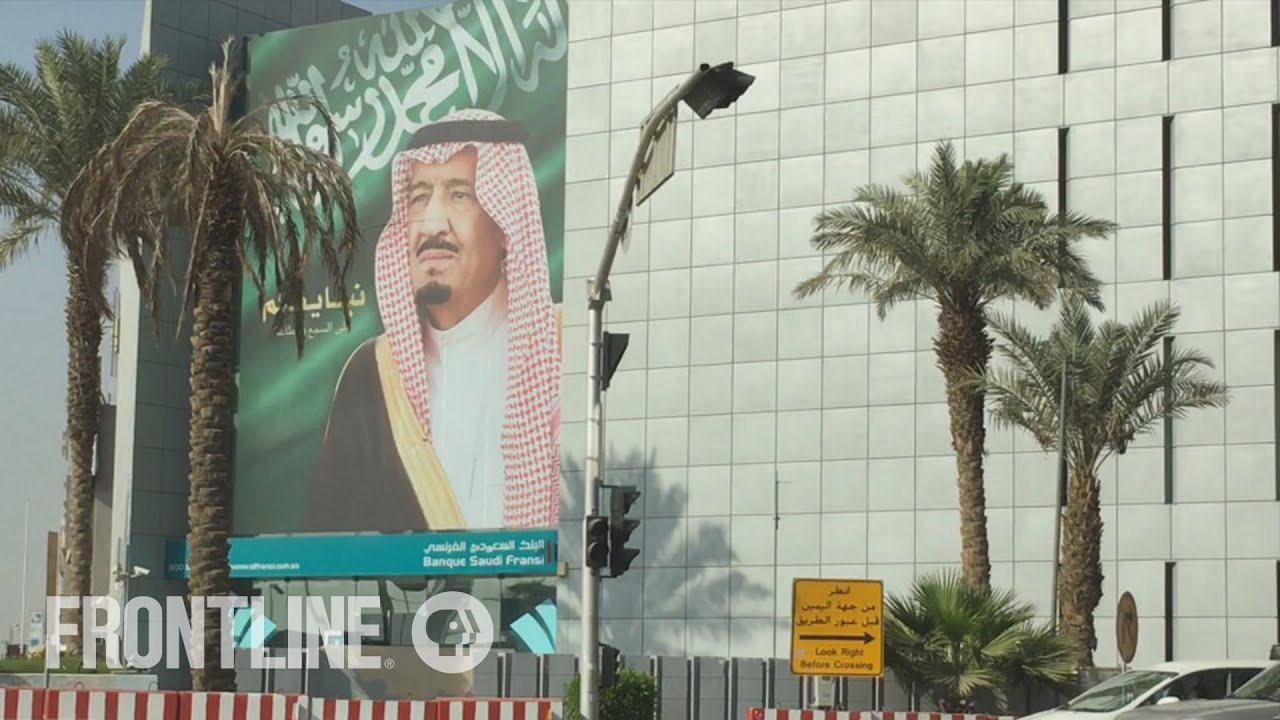
Saudi Arabia Revealed: From Islamic State to Global Oil Leader
Saudi Arabia, officially known as the Kingdom of Saudi Arabia (KSA), stands as a powerful testament to the enduring legacy of an ancient land transformed into a modern global powerhouse. Situated in the far southwest of the Asian continent, occupying the vast majority of the Arabian Peninsula, this remarkable nation is a unique blend of deep-rooted Islamic heritage, a rich history of dynastic rule, and a commanding presence in the global economy, primarily as one of the world's largest oil-producing countries. From its origins as an evolving Islamic state under the Al Saud family to its current status as a G20 member and a pivotal player in international affairs, understanding Saudi Arabia requires an appreciation of its layered past and dynamic present.
The Roots of a Kingdom: A Rich History of the Arabian Peninsula
The history of
Saudi Arabia is inextricably linked to the narrative of the Arabian Peninsula itself, a crossroads of civilizations and a cradle of monotheistic religions. The foundation of modern Saudi Arabia can be traced back through several iterations of rule by the esteemed Al Saud family. The First Saudi State, established in the eighteenth century by Imam Mohammed Bin Saud, laid the initial groundwork for a unified entity guided by Islamic principles. This was followed by the Second Saudi State, which eventually culminated with Imam Abdulrahman Bin Faisal in 1891, the father of the Founding King Abdulaziz Bin Abdulrahman Al Saud. These early states represented ambitious efforts to consolidate power and bring stability to a historically fragmented region.
However, the true genesis of modern
Saudi Arabia as we know it today began with a pivotal moment in history: the recovery of its capital, Riyadh, by the visionary King Abdulaziz Bin Abdulrahman Al Saud on January 15, 1902. This audacious act marked the beginning of a remarkable journey of unification and state-building that would span decades. The early decades of the Kingdom's formation were characterized by King Abdulaziz's strategic genius in unifying disparate regions, achieving unprecedented levels of stability, and initiating the settlement of its nomadic Bedouin population. This period, coinciding with the turbulent era of World War I, saw Saudi Arabia skillfully navigate global conflicts, maintaining its internal peace and focusing on laying the foundations for civilizational progress. For a deeper dive into the lineage and strategic brilliance of its founders, explore
The Al Saud Dynasty: Tracing Saudi Arabia's Foundations and Unification.
Unification and the Birth of a Nation
The path to a unified Kingdom was a monumental undertaking, stretching over thirty-two years of persistent effort, commencing from King Abdulaziz's initial triumph in 1902. Through a combination of diplomacy, strategic alliances, and military prowess, King Abdulaziz systematically brought various key regions under central control. Within just a decade of retaking Riyadh, he successfully regained significant territories, including southern Najd, Sudayr, and al-Washm. The relentless march of unification continued, extending the nascent state's reach to crucial areas like Qassim, al-Ahsa along the Arabian Gulf coast, the mountainous region of Aseer, and the northern stronghold of Hail. Each regained territory added not only to the geographical expanse but also to the cultural and economic tapestry of the burgeoning nation.
The culmination of this extensive unification process arrived on September 19, 1932, when a Royal Order was issued, declaring the country a unified entity under the name "Kingdom of
Saudi Arabia." The official announcement, made on Thursday, September 23, 1932, resonated throughout the land and globally, cementing the birth of a new sovereign state. This date was rightfully designated as the National Day of the Kingdom, a day of immense pride and celebration for all Saudis, commemorating the extraordinary achievement of national cohesion and the establishment of a powerful regional presence.
Pillars of Governance: Islam, Monarchy, and the Basic Law
As a sovereign state,
Saudi Arabia is defined by several foundational pillars. It is an Arab Islamic state, deeply rooted in its faith and cultural identity. Geographically, its strategic location is undeniable, bordered to the west by the Red Sea, to the east by the Arabian Gulf, the United Arab Emirates, and Qatar, to the north by Kuwait, Iraq, and Jordan, and to the south by Yemen and the Sultanate of Oman. Arabic is its official language, and its vibrant capital, Riyadh City, serves as the administrative and cultural heart of the nation.
At its core, the Kingdom's system of governance is a unique blend of traditional monarchy and modern statecraft, firmly guided by Islamic principles. The religion of the state is Islam, and its constitution is derived directly from the Holy Quran and the Sunna (traditions and practices) of the Prophet Muhammad. This spiritual foundation underpins all aspects of law and societal norms.
The structural, organizational, and political framework of the state is meticulously detailed in the Basic Law of Governance. Issued by Royal Order in 1992, this comprehensive document comprises eighty-three articles. It meticulously outlines everything from the general principles of the state and the system of governance to the intricate process for selecting the King, his duties, the foundational principles of Saudi society, and the guaranteed rights of both citizens and residents. Furthermore, it clearly delineates the powers and responsibilities of various governmental authorities and regulatory bodies, ensuring a structured and accountable administration. This vital law may only be temporarily suspended in specific, critical situations such, as during war or states of emergency. For an in-depth understanding of how these principles guide the nation, refer to
Saudi Arabia's Basic Law of Governance: A Monarchy Guided by Islam.
The Basic Law of Governance explicitly stipulates that the system of governance is a monarchy, with succession limited to the sons of King Abdulaziz Bin Abdulrahman Al Saud and their rightful descendants. The most suitable and capable among them receives the pledge of allegiance, ensuring continuity and stability through a lineage deeply connected to the nation's founding. This system, established centuries ago with the Al Saud family's alliance with the Wahhābī Islamic movement in the 18th century, has provided a consistent framework for leadership and national identity.
From Desert Sands to Global Powerhouse: The Oil Era and Beyond
While its historical roots are profound, the twentieth century marked an extraordinary transformation for
Saudi Arabia – its emergence as a global economic giant fueled by vast reserves of oil. The discovery and subsequent exploitation of petroleum catapulted the nation from a largely agrarian and nomadic society to one of the world’s largest oil-producing countries in terms of output. This unprecedented wealth allowed for rapid modernization, investing heavily in infrastructure, education, healthcare, and social welfare programs, dramatically improving the quality of life for its citizens.
The Kingdom's role as a dominant oil leader grants it immense influence on the international stage, particularly within organizations like OPEC (Organization of the Petroleum Exporting Countries), where its decisions often sway global energy markets. This economic muscle has translated into significant geopolitical clout, positioning Saudi Arabia as a key player in Middle Eastern politics and global diplomacy.
Looking beyond the horizon of oil, Saudi Arabia is currently undergoing another monumental transformation with its ambitious Vision 2030. This strategic framework aims to diversify the nation's economy away from oil dependency, focusing on developing new sectors such as tourism, technology, entertainment, and renewable energy. Initiatives like NEOM, a futuristic mega-city, exemplify the Kingdom's commitment to innovation and sustainable development. Visitors and investors alike will find a rapidly evolving landscape, offering new opportunities and experiences that highlight Saudi Arabia's drive towards a future of sustained growth and global leadership, making it a compelling destination for both business and cultural exploration.
Conclusion
From the strategic reunification of its lands under King Abdulaziz to its present-day standing as a global economic and political force,
Saudi Arabia has traversed a remarkable journey. It remains a nation deeply proud of its Islamic heritage, governed by a unique monarchical system rooted in tradition and the Basic Law, yet relentlessly pursuing progress and modernization. The story of Saudi Arabia is one of resilience, strategic vision, and an enduring commitment to shaping its own destiny, ensuring its continued prominence on the world stage for generations to come.